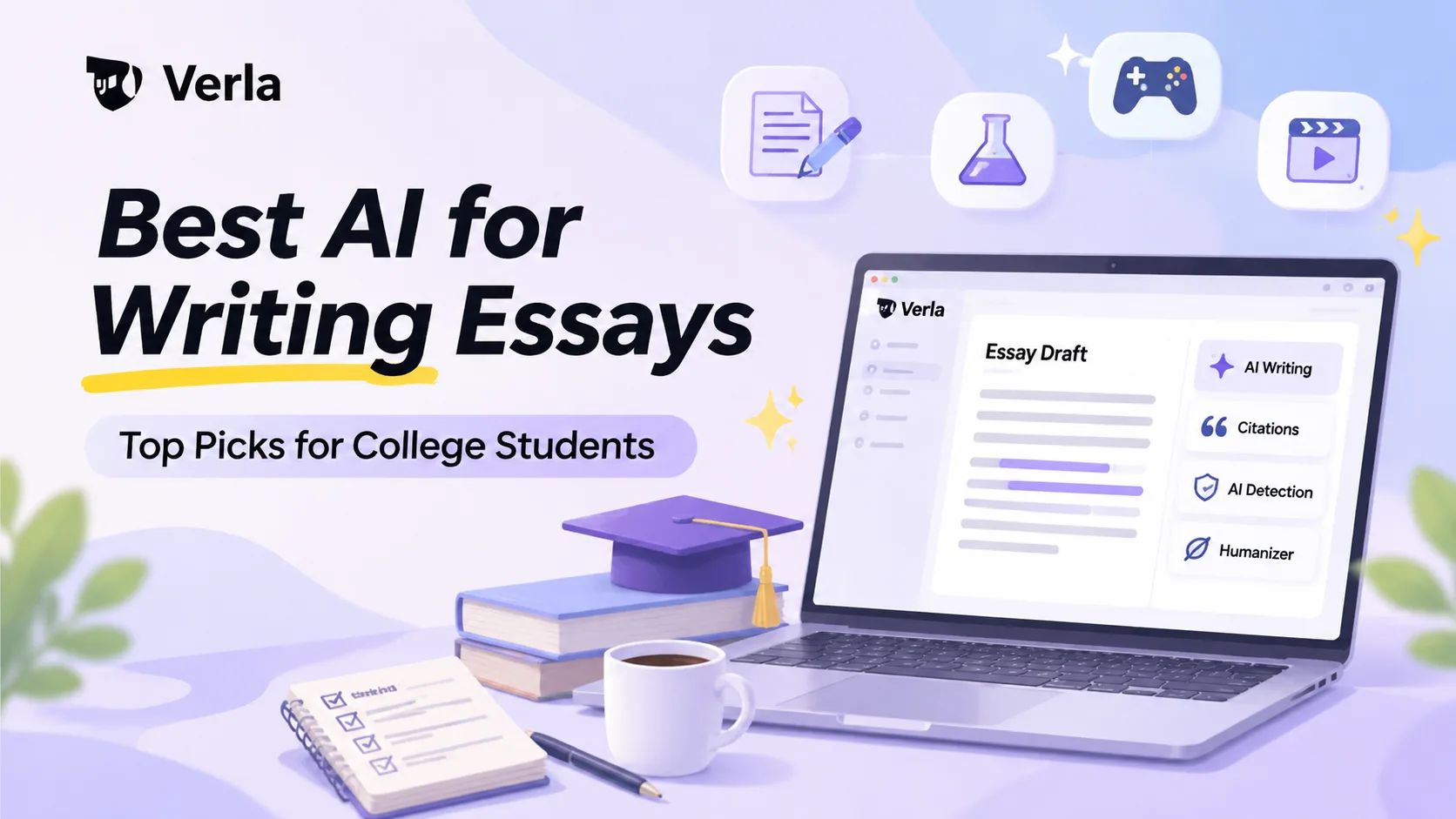
College students write more than essays. Between research papers, class assignments, emails, social media posts, and creative projects, writing shows up in almost every part of student life. The right AI writing tools can help with everything from organizing ideas and improving drafts to creating something fun just for yourself.
If you're looking for the best AI for writing essays, you'll find plenty of options with different strengths. Some are better for academic research, while others are useful for brainstorming, editing, or everyday creative writing. Here are five tools worth exploring and how students can make the most of them.
Best AI for Writing Essays: 5 Tools Compared
Not every student needs the same kind of writing assistant. Some want help with research-heavy assignments, while others need a quick way to polish a paragraph or come up with creative ideas.
| Tool | Key Strengths | Best For |
|---|---|---|
| ChatGPT | Brainstorming, outlining, explanations, and creative writing | Everyday writing and idea generation |
| Verla | Academic writing, real citations, rubric-aware assistance, and file uploads | Essays and research assignments |
| Claude | Long-document analysis and detailed writing feedback | Complex assignments and draft review |
| Grammarly | Grammar, clarity, tone, and sentence refinement | Proofreading and everyday communication |
| QuillBot | Paraphrasing, summarization, and rewriting | Improving existing drafts |
ChatGPT
- Key Strengths
- Brainstorming, outlining, explanations, and creative writing
- Best For
- Everyday writing and idea generation
Verla
- Key Strengths
- Academic writing, real citations, rubric-aware assistance, and file uploads
- Best For
- Essays and research assignments
Claude
- Key Strengths
- Long-document analysis and detailed writing feedback
- Best For
- Complex assignments and draft review
Grammarly
- Key Strengths
- Grammar, clarity, tone, and sentence refinement
- Best For
- Proofreading and everyday communication
QuillBot
- Key Strengths
- Paraphrasing, summarization, and rewriting
- Best For
- Improving existing drafts
Each tool serves a different purpose. ChatGPT and Claude are flexible assistants for exploring ideas, Grammarly and QuillBot focus more on editing, and Verla is designed around the specific requirements of academic assignments.
1. ChatGPT: Best for Everyday Writing and Brainstorming
ChatGPT is a flexible writing companion for students who need help getting started or exploring different ideas. It can help outline an essay, explain a difficult topic, suggest alternative titles, and rewrite sentences for better clarity.
Beyond schoolwork, students can also use it for more casual projects, such as writing social media captions, planning a club event, creating a funny birthday message, or coming up with a short story idea.
Best for: Brainstorming, everyday writing, creative ideas, and general essay assistance.
2. Verla: Best for Academic Essay Writing
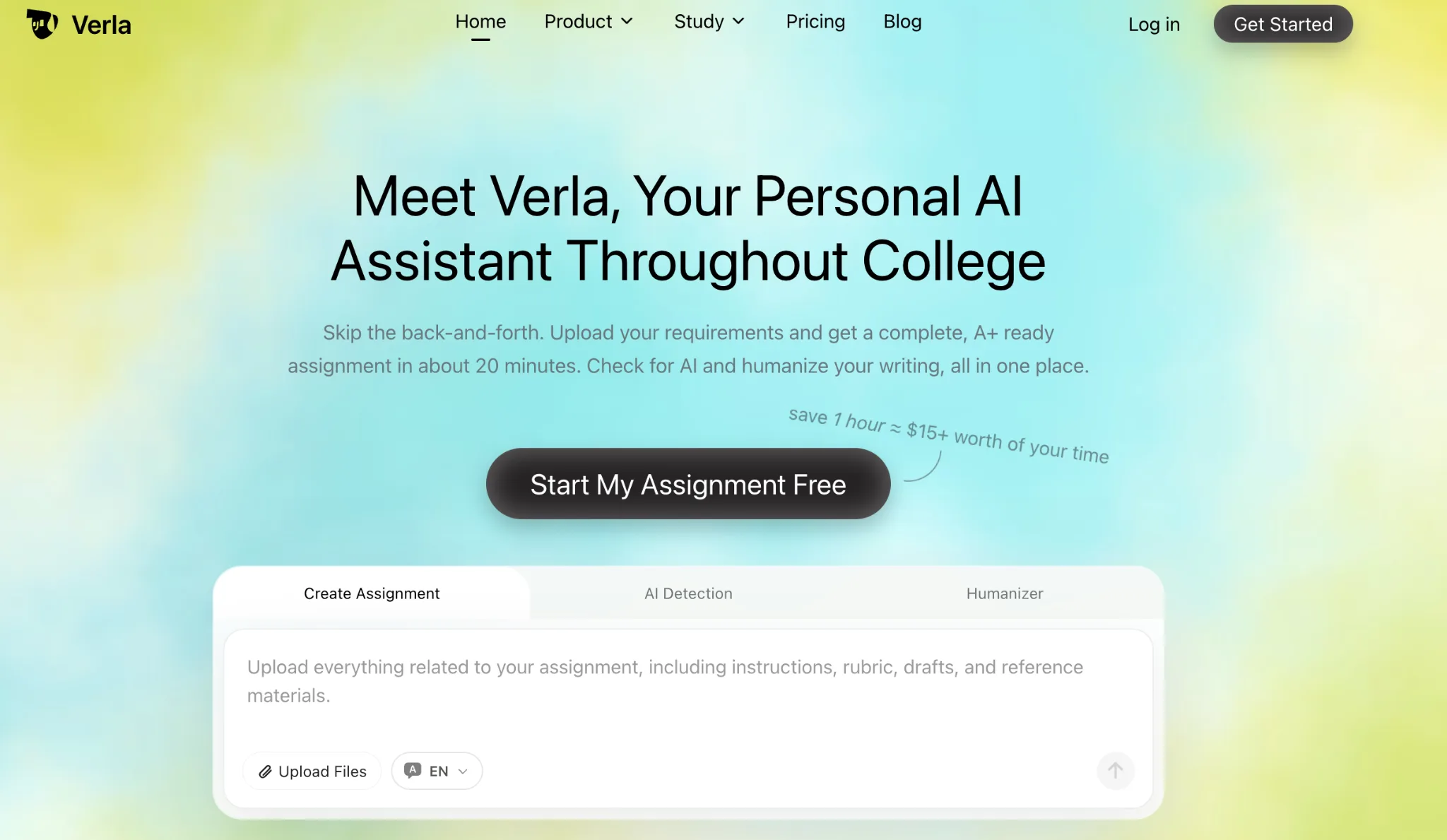
Verla is an AI academic assistant designed for students working on essays, research papers, and other coursework. It helps organize assignments around course requirements, supporting materials, and academic sources.
Its main strengths include rubric-aware writing, real academic citations, multi-format file uploads, AI Detection, and AI Humanizer. Students can upload research papers, lecture slides, assignment instructions, and other materials to provide context for their writing.
What makes Verla more interesting is that it also goes beyond writing. In addition to essay support, Verla offers a free browser-based Simulation Lab where students can explore interactive science experiences such as human anatomy, 3D cells, motor circuits, and a robotic arm. That gives it a broader student-learning feel than a writing-only tool.
Verla is particularly useful when an assignment requires structured arguments, supporting evidence, and consistent citations. Students should still review the sources and verify their final work.
Best for: Research-based essays, structured assignments, and academic writing.
3. Claude: Best for Long Documents and Detailed Feedback
Claude is useful when students need to work through lengthy reading materials or review a substantial draft. It can help summarize documents, examine arguments, identify unclear sections, and suggest ways to improve the overall flow.
For example, students can use it to review a long research paper, compare different interpretations of a topic, or identify gaps in an argument before revising their work.
It can also help with creative writing exercises, such as developing fictional characters or exploring different storytelling styles.
Best for: Long-form writing, document analysis, and detailed feedback.
4. Grammarly: Best for Grammar and Writing Clarity
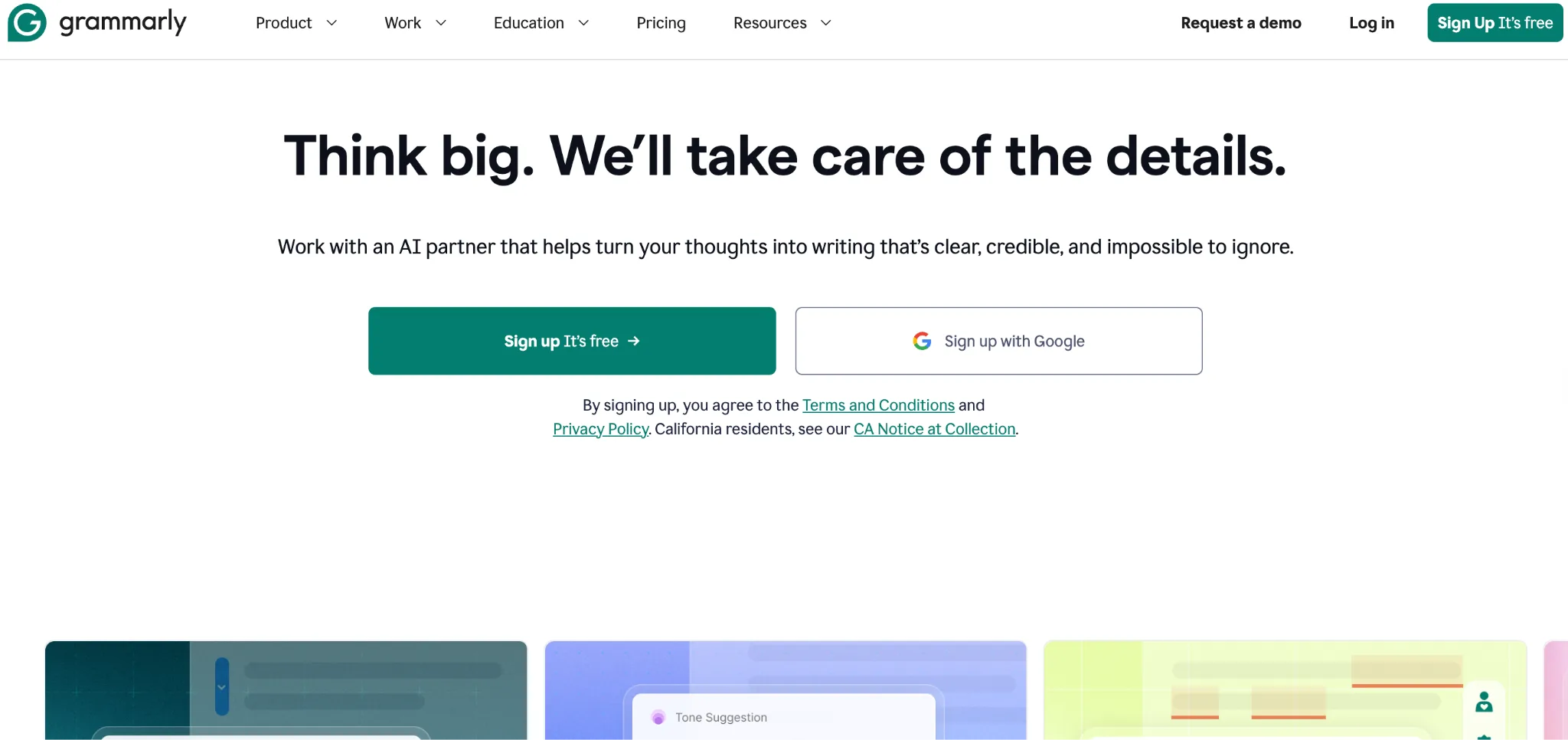
Grammarly focuses on improving how writing reads. It identifies grammar issues, awkward phrasing, spelling mistakes, and opportunities to make sentences clearer.
Students can use it to proofread essays, polish application materials, improve emails to professors, or make group project communications more professional.
It is especially useful during the final editing stage, when the main ideas are already in place but the wording needs refinement.
Best for: Proofreading, grammar correction, and everyday communication.
5. QuillBot: Best for Rewriting and Summarizing
QuillBot offers writing tools for paraphrasing, summarizing, and refining existing text. It can help students explore different ways to express an idea, shorten lengthy passages, or make a draft easier to read.
It can also be useful when turning class notes into shorter study summaries or reorganizing information before writing an assignment.
As with any rewriting tool, students should preserve the original meaning and cite sources appropriately when working with academic material.
Best for: Paraphrasing, summarizing, and editing existing drafts.
Beyond Essays: Fun Ways Students Can Use AI Writing Tools
AI writing tools are not just for deadlines and academic assignments. They can also make student life more creative, practical, and fun.
Here are a few ways students can use them beyond essay writing:
- Social Media Captions: Generate Instagram captions, TikTok descriptions, or funny post ideas that match your personality.
- Creative Storytelling: Brainstorm short stories, character ideas, alternate endings, or even prompts for a writing challenge.
- Personal Messages: Draft birthday wishes, thank-you notes, graduation messages, or thoughtful texts for friends.
- Club and Campus Activities: Create event names, write invitation copy, or plan promotional posts for student organizations.
- Study Support with Interactive Learning: Some student tools now go beyond writing. For example, Verla also includes a free Simulation Lab where students can explore a 3D human body, examine living cells, wire a motor circuit, or interact with a robotic arm directly in the browser. It adds a hands-on, curiosity-driven side to learning that feels more fun than traditional study tools.
- Personal Projects: Write a mini blog post, create a fictional diary, or experiment with different writing styles just for fun.
These kinds of activities help students do more than finish assignments. They also make it easier to explore ideas, practice creativity, and enjoy the learning process a bit more.
How to Choose the Right AI Writing Tool
Before choosing an AI writing assistant, think about what you actually want to accomplish.
For academic assignments: Look for tools that can work with assignment instructions, research materials, and citation requirements.
For everyday writing: Choose a flexible assistant that can help with emails, messages, captions, and quick writing tasks.
For creative projects: Look for tools that encourage brainstorming, storytelling, and experimenting with different tones.
For editing: Prioritize grammar suggestions, clarity improvements, paraphrasing, and summarization.
You don't necessarily need one tool for everything. Combining a general writing assistant with a specialized academic or editing tool can make your workflow more flexible.
Conclusion
The best AI for writing essays depends on what you're working on. ChatGPT is useful for brainstorming and everyday writing, Verla focuses on academic assignments, Claude handles detailed document analysis, Grammarly improves clarity, and QuillBot helps refine existing text. Each tool has a different role, from completing coursework to exploring creative ideas.
AI writing tools can be useful far beyond the classroom. Whether you're preparing a research paper, writing a social media caption, or experimenting with a short story, the key is to use them as creative and learning companions while keeping your own ideas and judgment at the center.